How Ghee Helps in Fat Loss & Metabolism (Science Explained)

How Ghee Helps in Fat Loss & Metabolism (Science Explained)
For many Indian households, ghee is more than just a cooking ingredient. It is deeply rooted in traditional diets, Ayurvedic practices, and everyday meals. From drizzling it over dal and rotis to adding it to warm rice, ghee has long been considered nourishing and energizing. However, in recent decades, the rise of low‑fat diets caused many people to reduce or eliminate ghee from their meals. Interestingly, modern nutrition science is beginning to revisit this perspective. Researchers and nutritionists are now exploring how certain healthy fats may actually support metabolism, digestion, and weight management. As a result, conversations around ghee for weight loss have started gaining attention. Understanding how ghee works inside the body can help explain why this traditional ingredient may support metabolic health when consumed in moderation. Let’s explore the science behind the benefits of ghee for metabolism and how it may play a role in a balanced fat‑loss diet. Understanding Ghee as a Nutritional Fat Ghee is clarified butter that has been gently heated to remove milk solids and water, leaving behind pure butterfat. Because of this process, ghee contains concentrated fats, fat‑soluble vitamins, and beneficial fatty acids. Unlike many refined cooking oils, ghee contains several naturally occurring compounds that can support digestion and metabolism. These include butyric acid, conjugated linoleic acid (CLA), and medium‑chain fatty acids that are sometimes grouped with MCTs in ghee for weight loss discussions. These nutrients are the reason ghee is often categorized among healthy fats for metabolic rate support. While fat is calorie‑dense, certain types of fat can help the body burn energy more efficiently.
Ghee vs Butter for Fat Loss One of the most common questions people ask is how ghee and butter for fat loss compares. While both originate from milk fat, ghee undergoes a process that removes lactose and milk proteins, making it easier to digest for many individuals. Ghee also has a higher smoke point than butter, which means it remains stable during cooking. This stability prevents the formation of harmful compounds that may occur when oils are overheated. In terms of nutritional profile, ghee contains higher concentrations of certain fatty acids that support gut health and metabolic function. This is why many people prefer ghee over butter for fat loss strategies. Butyric Acid and Gut Health One of the most fascinating components of ghee is butyric acid. Butyric acid and gut health are closely connected because this short‑chain fatty acid supports the cells lining the intestines. A healthy gut plays a crucial role in weight management. When digestion functions efficiently, the body absorbs nutrients properly and maintains better metabolic balance. Butyric acid also supports beneficial gut bacteria. These microbes influence digestion, immune health, and energy metabolism. This is one reason traditional diets valued ghee as a digestive aid. When gut health improves, the body may also experience improvements in metabolism and energy utilization. Ghee and Conjugated Linoleic Acid (CLA) Another compound present in ghee is conjugated linoleic acid, often abbreviated as CLA. Research around ghee and Conjugated Linoleic Acid (CLA) suggests that this fatty acid may play a role in fat metabolism. CLA has been studied for its potential ability to help reduce body fat accumulation while supporting lean muscle mass. While it is not a magic solution for fat loss, it may contribute to better body composition when combined with a balanced diet and regular exercise. Because ghee naturally contains CLA, some nutritionists consider it a useful addition to diets focused on metabolic health.
MCTs in Ghee for Weight Loss Medium‑chain triglycerides, commonly known as MCTs, are another type of fat associated with energy metabolism. MCTs in ghee for weight loss discussions often appear because these fats are metabolized differently from long‑chain fats. Instead of being stored easily as body fat, MCTs are more rapidly converted into energy by the liver. This process can support thermogenesis, the body’s natural heat‑producing process that burns calories. This metabolic effect is why MCT oils have become popular in ketogenic and weight‑management diets. While ghee does not contain the same concentration of MCTs as coconut oil, it still provides smaller amounts that contribute to energy metabolism. Ghee in Keto Diet and Low‑Carb Nutrition The popularity of ketogenic diets has also renewed interest in traditional fats. Because ketogenic diets emphasize high fat intake and low carbohydrates, ghee in Keto diet meal plans often appears as a preferred cooking fat. Ghee provides energy without carbohydrates and supports satiety, helping people feel full for longer periods. This can reduce unnecessary snacking and support controlled calorie intake. In addition, ghee contains fat‑soluble vitamins such as vitamin-A and vitamin-E, which support immune function and skin health. Does Ghee Burn Belly Fat? A common question in nutrition discussions is “does ghee burn belly fat?”. The honest answer is that no single food can directly target belly fat. Fat loss occurs when the body maintains a calorie deficit over time. However, ghee may support metabolic processes that contribute to weight management. Its fatty acids help stabilize energy levels and reduce sudden hunger spikes. This can make it easier to follow a balanced diet without overeating. When included thoughtfully in meals, ghee may support metabolic efficiency and help maintain satiety.
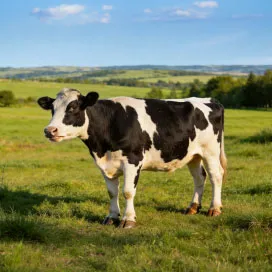
How to Eat Ghee on an Empty Stomach for Weight Loss Some traditional health practices suggest consuming ghee early in the morning. Discussions about how to eat ghee on an empty stomach for weight loss often refer to small quantities mixed with warm water. This practice is believed to stimulate digestion and support lubrication of the digestive tract. While scientific evidence on this specific ritual is limited, many people report improved digestion when healthy fats are included early in the day. Is One Spoon of Ghee a Day Good for Metabolism? Moderation is essential when consuming calorie‑dense foods. Many nutritionists suggest that small quantities can provide benefits without excessive calorie intake. This raises the question: is one spoon of ghee a day good for metabolism? For most healthy individuals, a teaspoon to a tablespoon of ghee within a balanced diet can provide beneficial fatty acids without significantly increasing calorie intake. Of course, total daily calorie consumption and physical activity remain important factors in weight management. Can I Eat Ghee If I Have High Cholesterol? People concerned about heart health often ask: can I eat ghee if I have high cholesterol? The answer depends on individual health conditions, diet, and medical advice. Ghee contains saturated fat, which should be consumed in moderation. However, emerging research suggests that natural fats from traditional foods may affect the body differently from processed fats and trans fats. For individuals with high cholesterol, it is best to consult a healthcare professional before making dietary changes. Balanced nutrition, regular exercise, and portion control remain the most important factors. Does Desi Cow Ghee Help in Reducing Stubborn Fat? Another frequently discussed topic is whether traditional varieties of ghee offer unique benefits. While no food can specifically target stubborn fat areas, desi cow ghee contains beneficial fatty acids and fat‑soluble vitamins that support metabolism and digestion.
Its ability to promote satiety may also help prevent overeating. When people feel satisfied after meals, they are less likely to snack excessively throughout the day. This combination of digestive support, nutrient density, and metabolic influence is why ghee continues to be valued in traditional diets. Final Thoughts For generations, ghee has been a trusted ingredient in Indian kitchens. Modern nutrition science is now beginning to explore why traditional foods like ghee remained staples for so long. When used in moderation, ghee can contribute beneficial fatty acids, support digestion, and play a role in metabolic health. While it is not a miracle solution for fat loss, including small amounts of ghee in a balanced diet may support overall wellness. Understanding the benefits of ghee for metabolism helps people make informed dietary choices. Combined with regular exercise, wholesome meals, and mindful eating habits, ghee can remain a nourishing part of modern nutrition.
Related Posts
Fresh reads to brighten your day